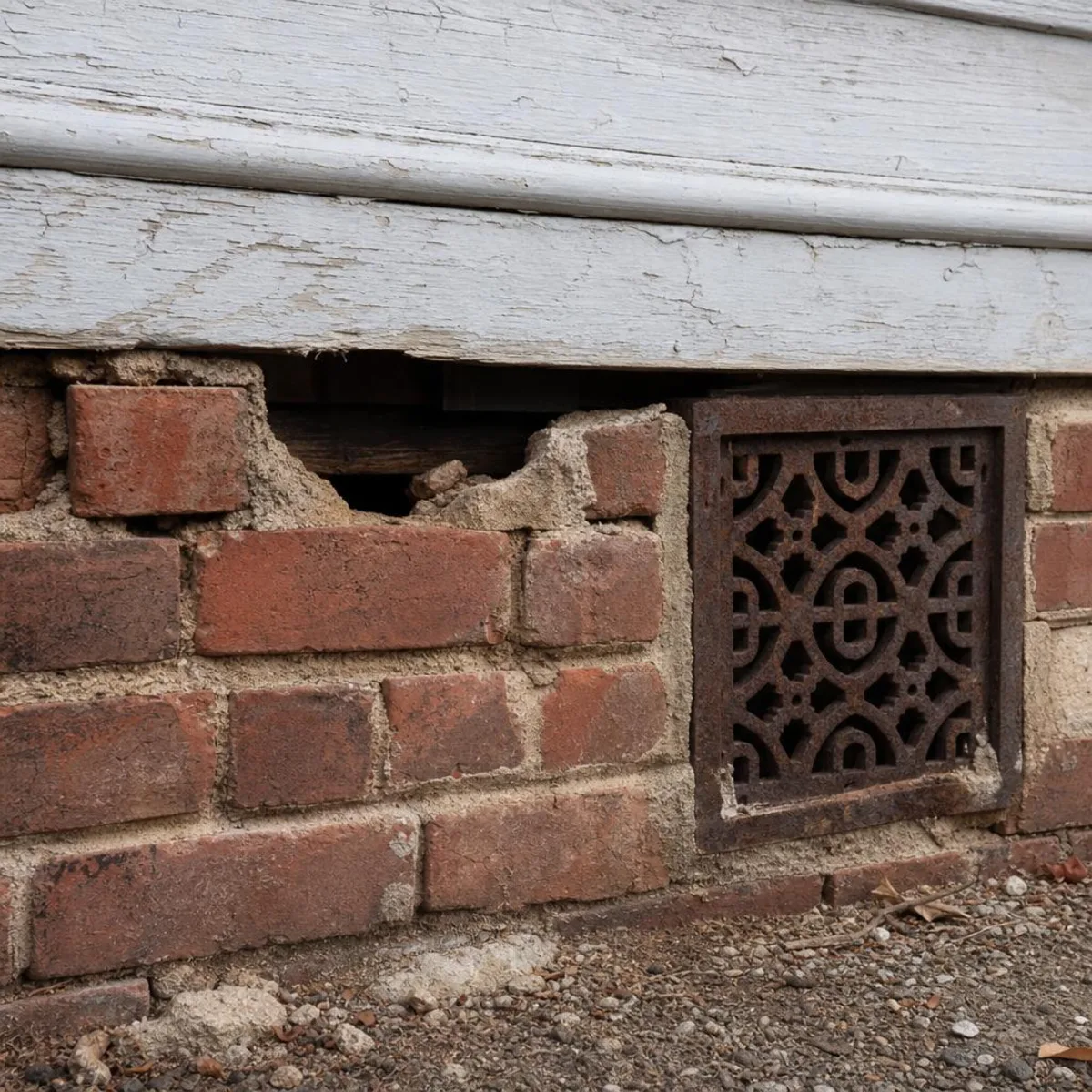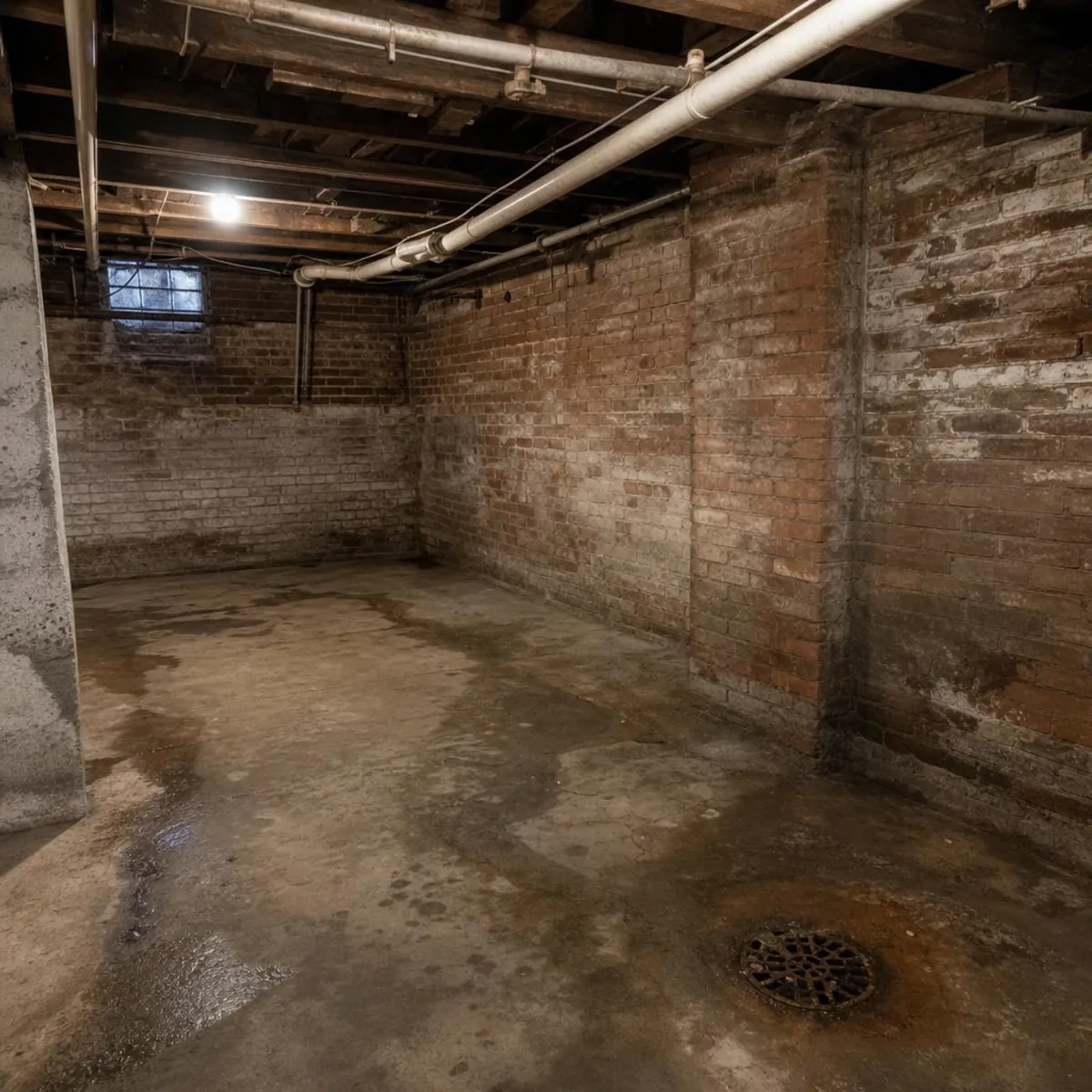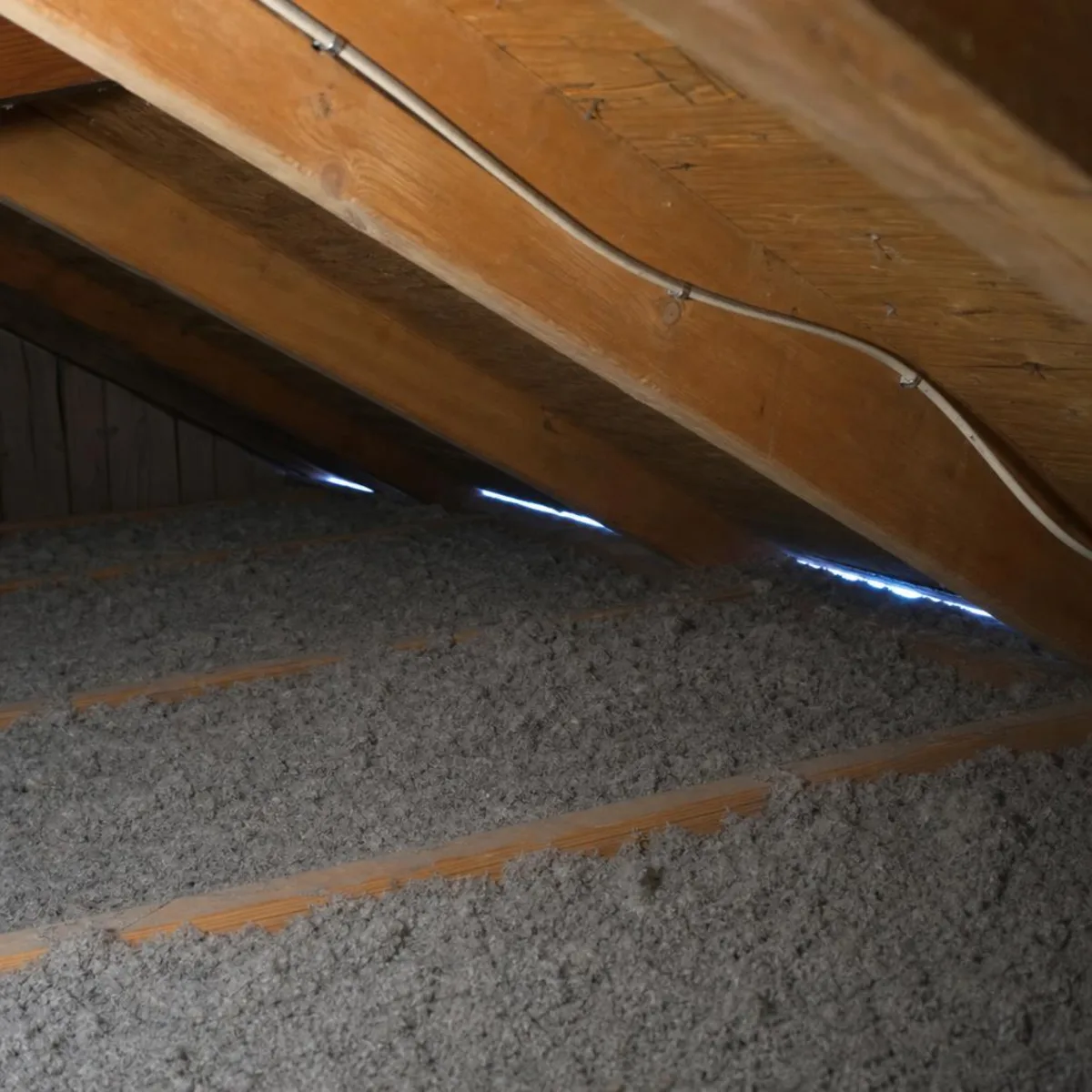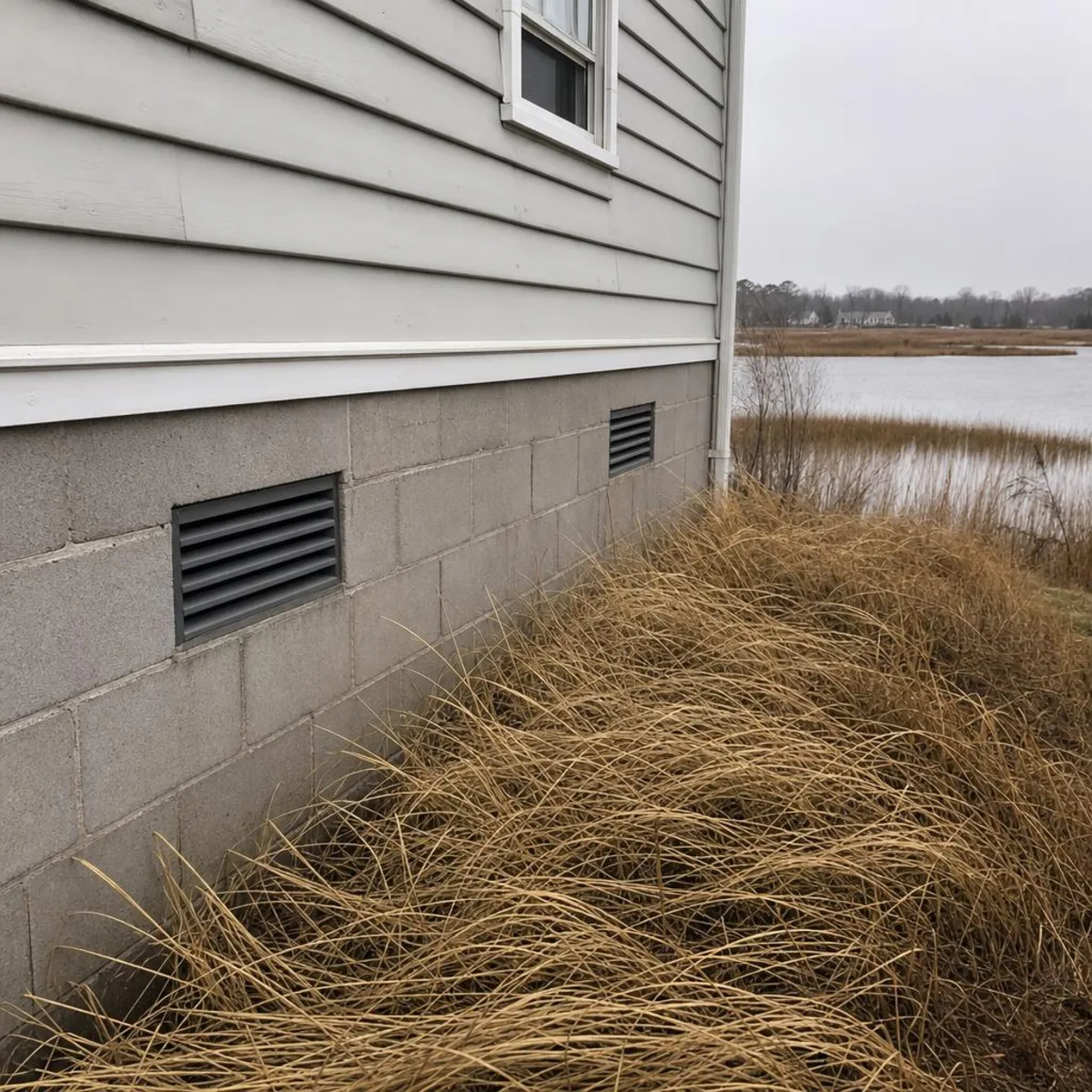
When the peninsula turns cold, rats move toward the warmest, most humid shelter they can find, and near Fox Hill and Buckroe Beach that is a damp dirt crawl space. Salt-marsh moisture and decaying subfloor wood make it inviting; drying it out makes it hostile again.
Why does cold weather push rats into peninsula crawl spaces?
Rats do not hibernate, so as outdoor food and cover die back in winter they seek stable warmth. A crawl space sits under a heated floor, holds humidity from the water table, and gives them cover from wind and predators. Near Fox Hill and Buckroe, the salt-marsh setting keeps that space damp and comparatively warm all winter, which is exactly what draws them.
Explore rodent control in Hampton
The two rats we see here behave differently. The Norway rat is a burrower that tunnels along foundations and slips under crawl-space skirting from grade. The roof rat is a climber that follows a fence line, a limb or a downspout to an upper vent. In cold months both converge on the same reward: a sheltered, humid void directly beneath the living space.
A crawl space is warmer in winter than the yard because heat leaks down through the floor above and the surrounding soil buffers the temperature. Add the humidity that the peninsula's high water table pushes up through a dirt floor, and you have a microclimate a rat prefers to any hedge or woodpile once frost sets in.
What is it about salt-marsh humidity and old subfloor wood?
Moisture is the whole draw. Homes near the marsh at Fox Hill and Buckroe sit over a high water table, and a dirt crawl space wicks that dampness upward year-round. Chronic moisture softens and decays the subfloor timber and joists, and softened wood is both easy to gnaw and a sign of the humid, sheltered conditions rats look for in winter.
Book a crawl space inspection in Hampton
Salt-marsh air keeps relative humidity high even in cold months, and a vented dirt crawl space traps it against the wood framing. Over seasons that dampness feeds wood-decay fungus, which quietly weakens joists and the subfloor. A crawl space that smells earthy and feels clammy is telling you it holds the moisture that both rots timber and comforts a rodent.
Once the wood is soft, rats gnaw through it more easily to reach the space between the floors, and their runways compress and foul the insulation overhead. If the framing has begun to sag from decay, structural support through supplemental floor support may be needed alongside the pest work, because a rat problem in a wet crawl space is usually a moisture problem wearing a fur coat.
How does drying the crawl space make it unattractive again?
Take away the humidity and the warmth advantage and the space stops competing with the outdoors. Sealing the crawl from ground moisture drops the relative humidity, stops the wood decay, and removes the damp comfort rats seek in winter. Paired with sealing every rat-sized opening, a dry, closed crawl space is no longer the refuge it was.
The moisture work is the durable part. A vapor barrier and full crawl space encapsulation cut off the ground dampness, and where groundwater actually pools, a sump pump moves it out. A dried space no longer feels like the warmest room under the house, and the fungus that was softening the framing loses its water supply.
Exclusion closes the door. A hole no wider than a quarter is all a rat requires, so foundation vents, skirting gaps and utility penetrations all get sealed with material rats cannot chew during pest exclusion, backed by rat control to clear whatever is already inside. The Fox Hill and Buckroe Beach pages spell out how we work these marsh-side streets.
| Cold-weather finding in the crawl | The marsh-side reason behind it | The moisture or exclusion step that reverses it |
|---|---|---|
| Droppings and runways over the vapor barrier | Rats settle in the warmest, most sheltered void under the house | Trapping to clear them, then sealing every quarter-wide gap in the foundation |
| A clammy, earthy-smelling crawl space | Salt-marsh humidity and a high water table saturate a dirt floor | Encapsulation and a vapor barrier to cut off ground moisture |
| Soft, spongy joists or subfloor | Chronic dampness feeds wood-decay fungus that softens the wood | Dry the space, treat the fungus, add support where framing has sagged |
| Scratching under the floor after dark | Norway rats burrow under skirting; roof rats climb to upper vents | Seal grade-level gaps and upper vents with chew-proof material |
| Standing water in a low corner | Tidal and groundwater collect in the lowest part of the crawl | A sump system to pump water out before it pools |
| Matted, fouled crawl insulation | Rat runways compress and contaminate the batting overhead | Remove and replace the insulation once the space is sealed and dry |
A rat wintering under a Fox Hill floor does not confine itself to the dirt. Norway rats gnaw into the flex duct running through the crawl and nest inside the warm run, and after that the system pushes their droppings and urine up into the rooms above every time the heat kicks on; Universal Duct Cleaning pulls that contamination out of the ducts. The batting stapled to the subfloor gets flattened into runways and soaked with the same marsh moisture that drew the rats down there, and Universal Insulation Doctor removes the ruined material and re-insulates once the crawl is dry.
Frequently asked questions
Why do I only hear rats under the floor in the colder months?
In warm weather rats find plenty of food and cover outdoors, so they range widely and rarely commit to the crawl space. As cold sets in and that outdoor supply thins, the heated, humid void under your floor becomes the most reliable shelter nearby, and they move in and stay. The activity you hear in winter is that seasonal shift concentrating them beneath the house.
Explore rodent control in Hampton
Is a rat in the crawl space really tied to a moisture problem?
Very often, yes, near the marsh. The dampness that a dirt crawl space wicks up is what keeps it warm and comfortable in winter, and that same moisture softens the subfloor wood so rats can gnaw through it. A dry, sealed crawl loses both the comfort and the soft wood, which is why moisture control does more lasting good than trapping alone.
Book a crawl space inspection in Hampton
How small a gap does a rat need to get into a crawl space?
Not much. Hold a quarter against the foundation and any gap that would swallow it will pass a rat; a dime-sized opening is enough for a mouse. A vent with a torn screen, a void under the skirting, or the annular gap around a water line all clear that bar easily. And because these rats chew the moisture-softened framing to widen a hole, a snug gap in a wet crawl seldom stays snug for long.
Explore rodent control in Hampton
Will encapsulating the crawl space really keep rats out?
Encapsulation on its own controls the moisture and the wood decay that draw rats, but the sealed liner is not a barrier they cannot breach if grade-level openings remain. It works as a pair: drying the space removes the attraction, and sealing every quarter-sized gap removes the access. Done together, the crawl stops being the warm, humid refuge it was in winter.
Book a crawl space inspection in Hampton
If something is scratching under your Buckroe or Fox Hill floor now that the cold has set in, the answer is drying the crawl and screening the vents and skirting the rats came through, not another winter of resetting traps. A free quote gets a technician into the crawl to read the soft joists, the vapor barrier and the marsh-side dampness for themselves. A crawl space inspection documents what the moisture has already done, and enrolling in one of the home health plans puts the sealed, dried space under watch straight through the cold months, when the pressure from the marsh peaks.