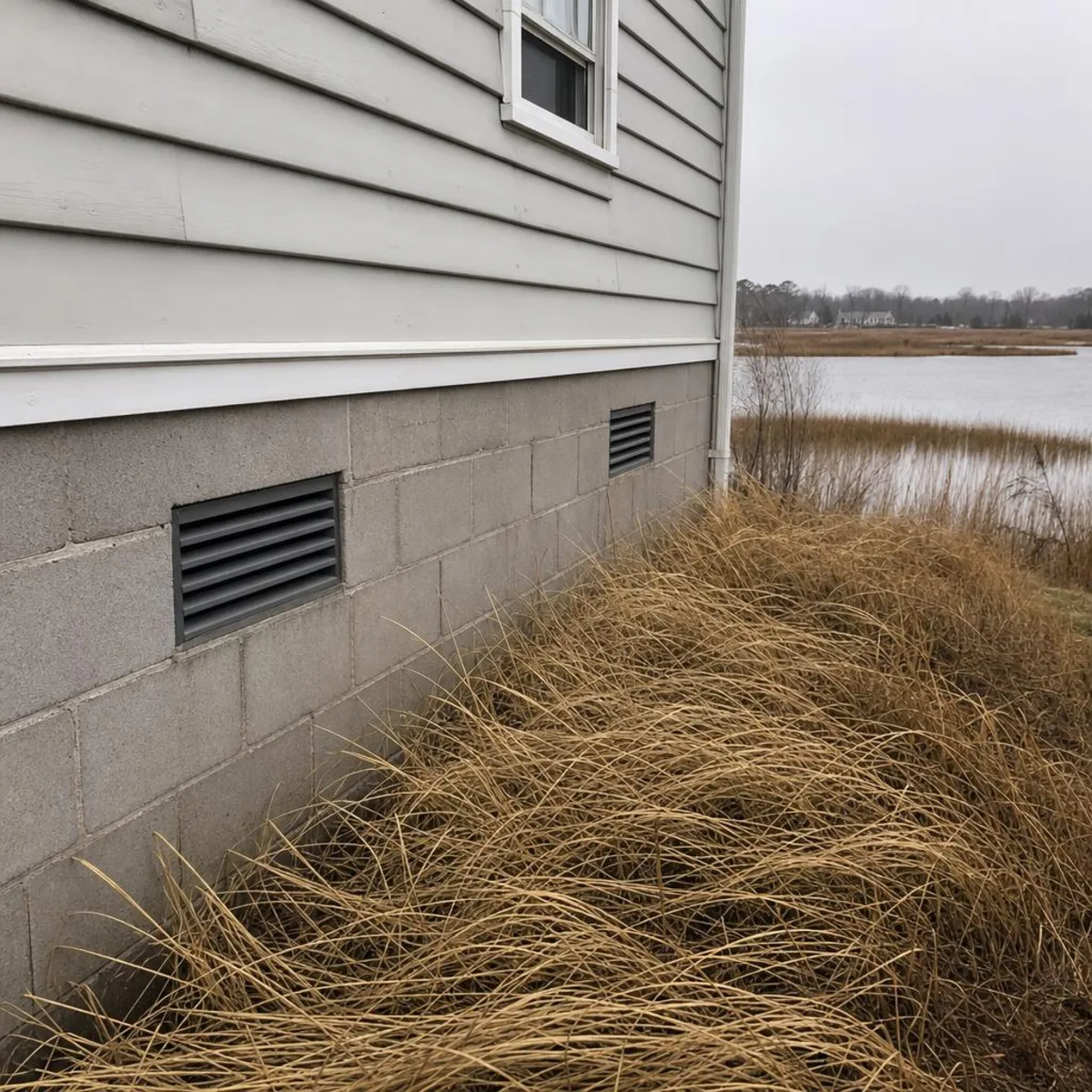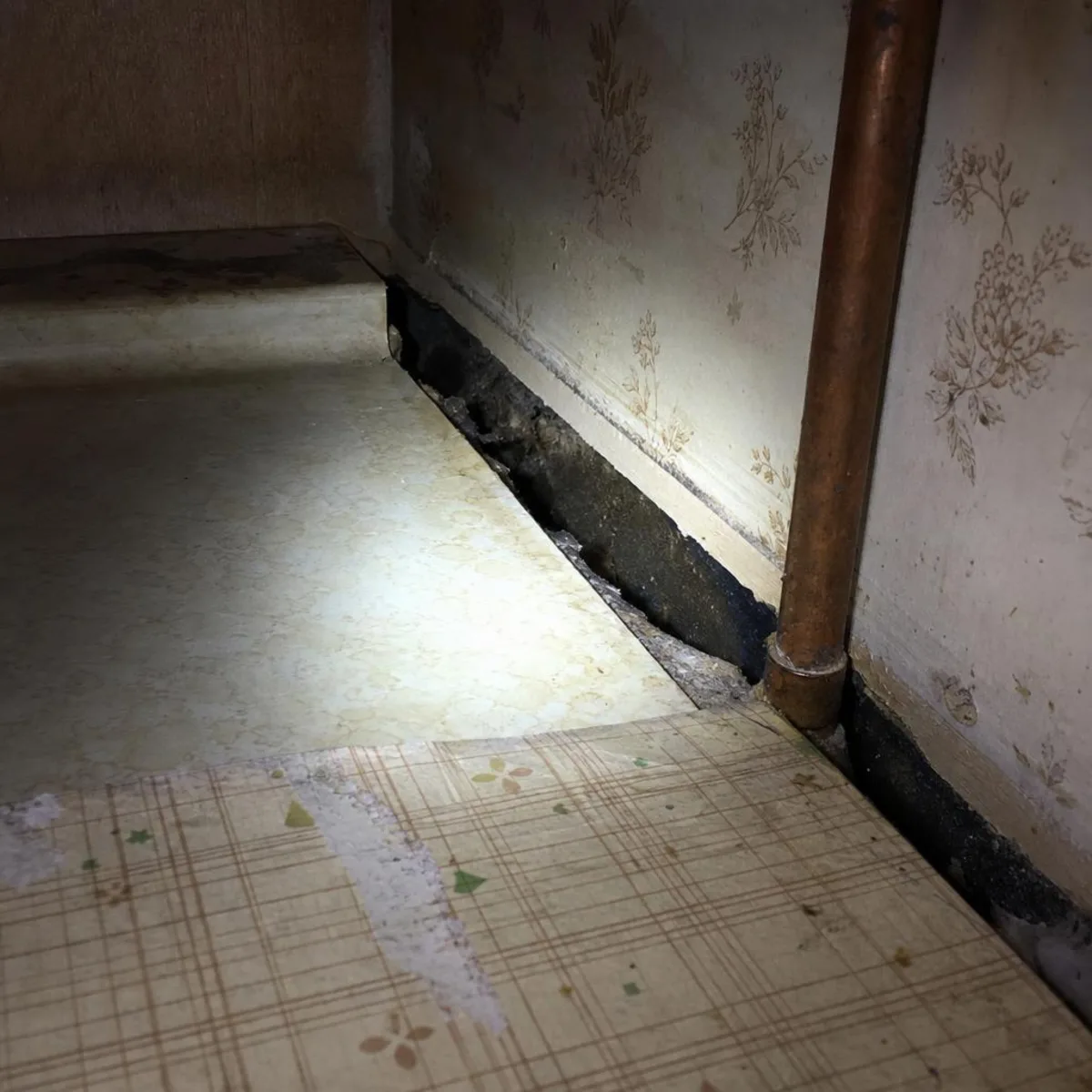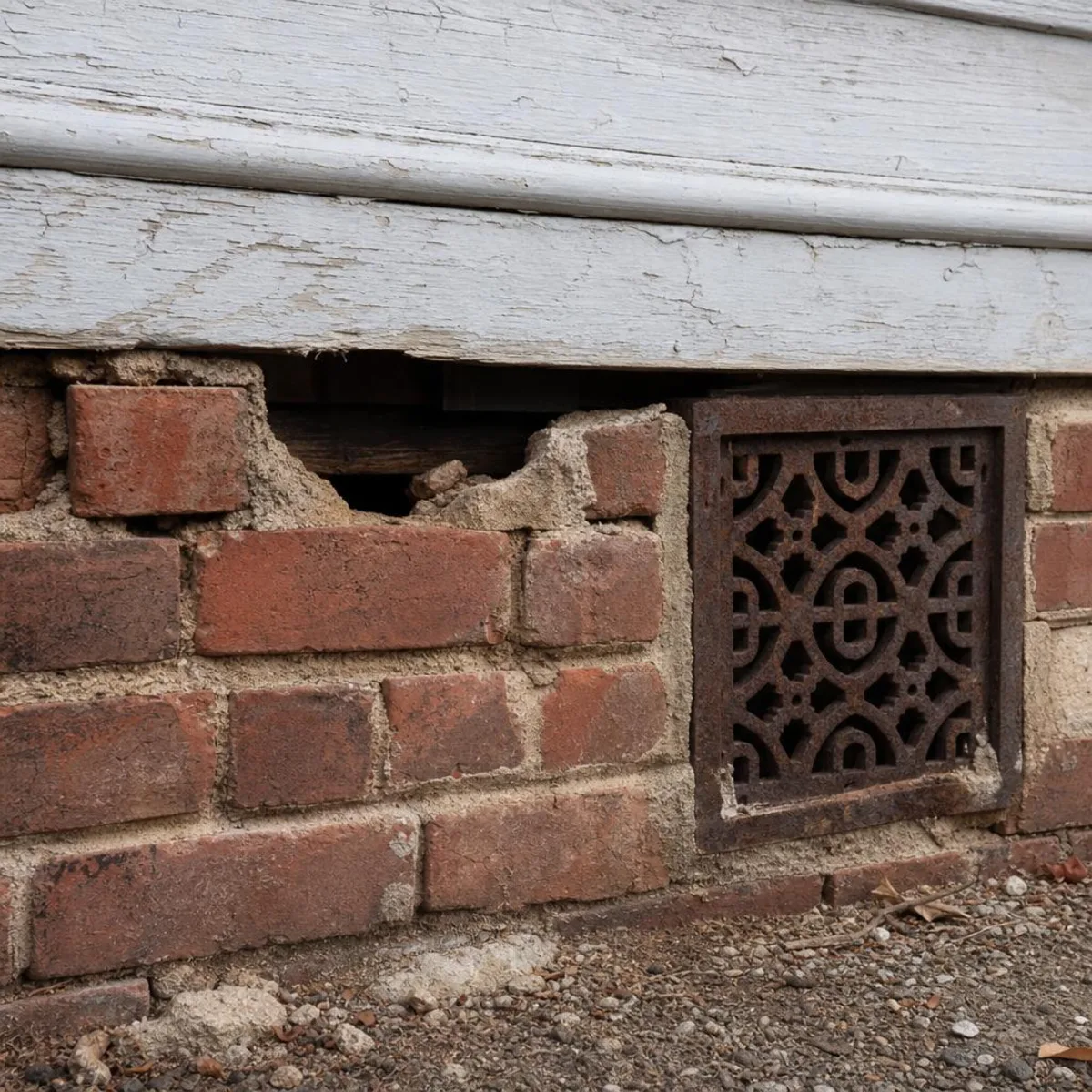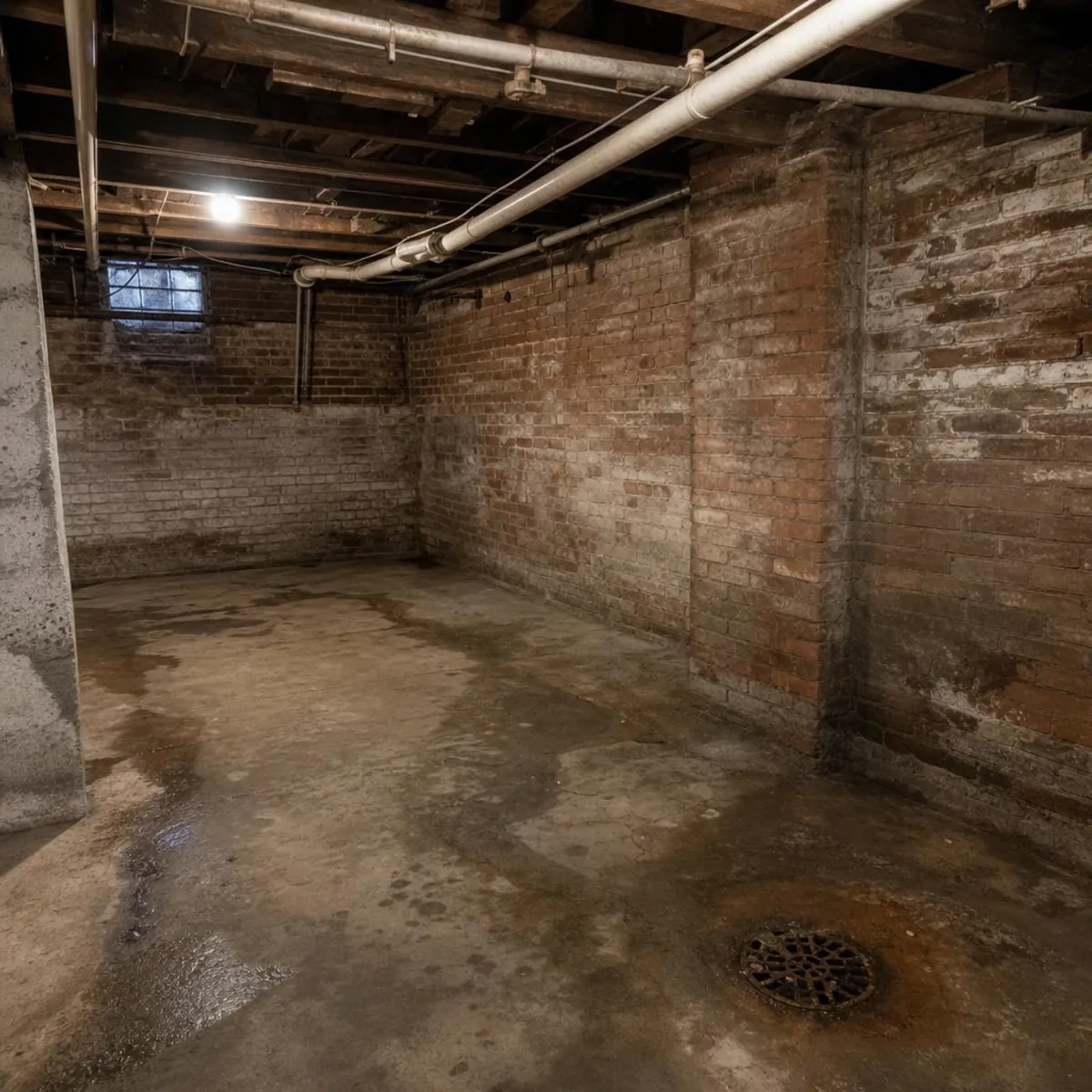
Palmetto bugs thrive in Olde Towne's below-grade rooms because the brick stays damp, floor drains hold standing water, and plumbing trenches give them a warm, wet highway indoors. Drying the space and closing those routes ends the cycle that repeat spraying never touches.
Why do American roaches keep showing up in Olde Towne basements?
The American cockroach — the insect most people here call a palmetto bug or water bug — is drawn to moisture, not mess. Olde Towne's oldest houses sit on porous brick foundations with dirt or damp-slab lower levels, and that constant humidity is exactly what the species needs to survive. They move in from sewers, mulch beds and crawl spaces below.
Get a roach treatment quote in Olde Towne
These are large, reddish-brown insects, and a single one on the basement steps rarely means a single one in the house. In the historic district, the below-grade level is usually the coolest, dampest room in the building, and it connects to the outside through more openings than a homeowner expects: an old coal chute, a gap around the water main, a floor drain that dried out and lost its trap seal.
Unlike the German cockroach that breeds indoors in kitchens, the American roach is largely an outdoor animal that wanders in. That distinction changes the whole approach. You are not fighting a colony living behind the cabinets — you are closing a door and drying a room so the ones outside stop finding a reason to come through it.
What is it about damp brick and utility spaces that draws them?
Moisture and shelter, layered together. Porous historic brick wicks groundwater up from Portsmouth's high water table, floor drains and sump pits hold water, and plumbing trenches cut through the foundation with gaps around every pipe. A palmetto bug needs a humid harborage and a way in, and an old utility space supplies both within a few feet of each other.
Get a free quote in Olde Towne
Olde Towne's building stock predates modern moisture control. Many lower levels were never meant to be dry living space, so the walls breathe groundwater and the air stays heavy. Add a laundry area, a water heater sweating in summer humidity, and a condensate line dripping onto the slab, and you have a microclimate a tropical insect finds ideal.
Floor drains deserve particular attention. A trap that has dried out is an open pipe straight to the sewer line, and American roaches travel those lines routinely. Plumbing trenches — the channels cut for supply and drain lines — often leave voids along the foundation wall that act as indoor runways. Sealing those with proper pest exclusion removes the path without a drop of spray.
Why won't repeated spraying fix it?
Spraying kills the insects you can see and does nothing about the two conditions bringing them — the standing water and the open routes. A treated basement that is still damp and still connected to the sewer and mulch simply refills. The lasting fix is drying the space and closing the entries, with any product application as support, not as the whole plan.
Get a free quote in Olde Towne
Think of it as plumbing and building work as much as pest work. Refill and maintain the floor-drain traps. Correct the grading and gutters outside so water is not pushed against the foundation. Address a wet lower level with proper drainage — in the worst cases a sump pump to move groundwater out before it collects. Where the below-grade level is a true crawl space, sealing it off from ground moisture through crawl space encapsulation takes away the humidity these roaches depend on.
Fix the conditions and the pressure drops on its own. That is why we treat Portsmouth roach calls as moisture problems first. Our work in the historic waterfront blocks is laid out on the Olde Towne Portsmouth page, and the rest of the city is on the Portsmouth hub.
| Sign in the utility space | The Olde Towne condition behind it | The drying or sealing step that ends it |
|---|---|---|
| Palmetto bugs near the floor drain | A dried-out trap opens a direct line to the sewer the roaches travel | Refill and maintain the trap seal; screen the drain |
| Insects along the base of the brick wall | Porous historic brick wicks groundwater and stays humid | Correct exterior grading and gutters; manage below-grade moisture |
| Activity around the water heater and laundry | Condensate and sweating pipes keep that corner wet | Fix drips, insulate lines, dry the microclimate |
| Roaches emerging from a plumbing trench | Voids left around pipes act as indoor runways from the foundation | Seal pipe penetrations and trench gaps with exclusion work |
| Standing water in a sump pit or low corner | Portsmouth's high water table pushes groundwater up into the lowest room | Add or service a sump system to remove water before it pools |
| Waterbugs after a heavy rain or tide event | Storm and tidal drainage backs sewers, flushing insects indoors | Backflow protection and a sealed, drained lower level |
The air a damp basement moves upstairs matters here too. Ductwork run through a below-grade utility space in these old houses sweats, collects grime, and gives palmetto bugs a dark, humid tunnel from room to room; once a run smells musty, Universal Duct Cleaning clears it so the system stops circulating that basement air. Any insulation packed against the joists over a wet lower level tends to soak up the groundwater the brick is wicking, matting flat and turning into roach harborage — Universal Insulation Doctor pulls the saturated batting out and replaces it once the space is dry.
Frequently asked questions
Is the palmetto bug on my basement stairs the same insect as the little roaches upstairs?
Usually not. The palmetto bug is the American cockroach — large, reddish-brown, and mostly an outdoor insect that wanders up from sewers, mulch beds and the below-grade level. The small tan ones that turn up around an upstairs stove or sink are German cockroaches, a separate species that reproduces indoors. Because one comes in from below and the other multiplies in place, the two calls get handled almost oppositely.
Get a free quote in Olde Towne
Does a dried-out floor drain really let roaches into a basement?
Yes. A floor drain relies on a water-filled trap to seal it off from the sewer line below. When that basement drain sits unused, the water evaporates and the trap dries, leaving an open pipe. American roaches travel sewer lines routinely, so a dry trap becomes a doorway. Pouring water down the drain periodically to restore the seal closes that specific route.
Get a free quote in Olde Towne
Will encapsulating my Olde Towne crawl space help with roaches?
Often, yes. Where the below-grade level is a crawl space, encapsulation seals it from ground moisture and drops the humidity American roaches depend on. A dry, sealed space is far less hospitable and far easier to keep insect-free than an open dirt floor that wicks groundwater. It also protects the wood framing above from the same dampness that draws the pests.
Book a crawl space inspection in Portsmouth
Why do more waterbugs appear after heavy rain?
Storm surges and tidal drainage can back up sewer and storm lines across the historic waterfront, and that pressure pushes American roaches out of the pipes and up into lower levels. A basement already holding moisture gives them somewhere to settle once they arrive. That is why the same rooms flood with insects after a nor'easter that stay quiet during a dry spell.
Get a roach treatment quote in Olde Towne
If your Olde Towne basement keeps producing palmetto bugs no matter how often it is sprayed, the fix is refilling the floor-drain traps, sealing the plumbing trenches, and drying the brick — not another treatment. A free quote puts a technician in the utility space to look at the drains, the sump corner and the pipe penetrations first. From there a crawl space inspection maps the moisture, and a spot on our home health plans keeps the sealed, dried lower level roach-free through Portsmouth's humid stretch.