As the sun sets over the Lynnhaven River, the Elizabeth River, and the coastal waterways of Hampton Roads, a subtle, disturbing sound begins overhead: faint scratching, pitter-patter steps, and gnawing noises inside your attic insulation.
If you hear rodent activity coming from above your ceiling, you are likely not dealing with standard house mice or ground-dwelling Norway rats. In coastal Virginia Beach, Chesapeake, and surrounding waterfront communities, the primary culprit nesting in home attics is the Roof Rat (Rattus rattus).
What Is a Roof Rat—and Why Are They in Your Attic?
Also known as the black rat or ship rat, roof rats are agile, natural climbers. Unlike bulky Norway rats that burrow at ground level, roof rats prefer elevated nesting spots high above human activity.
Why Roof Rats Thrive Along Coastal Virginia:
- Waterfront Corridors: Roof rats are historically tied to port and maritime cities. The tidal creeks, canals, and marshland perimeters across Virginia Beach, Norfolk, and Chesapeake provide ideal natural travel highways.
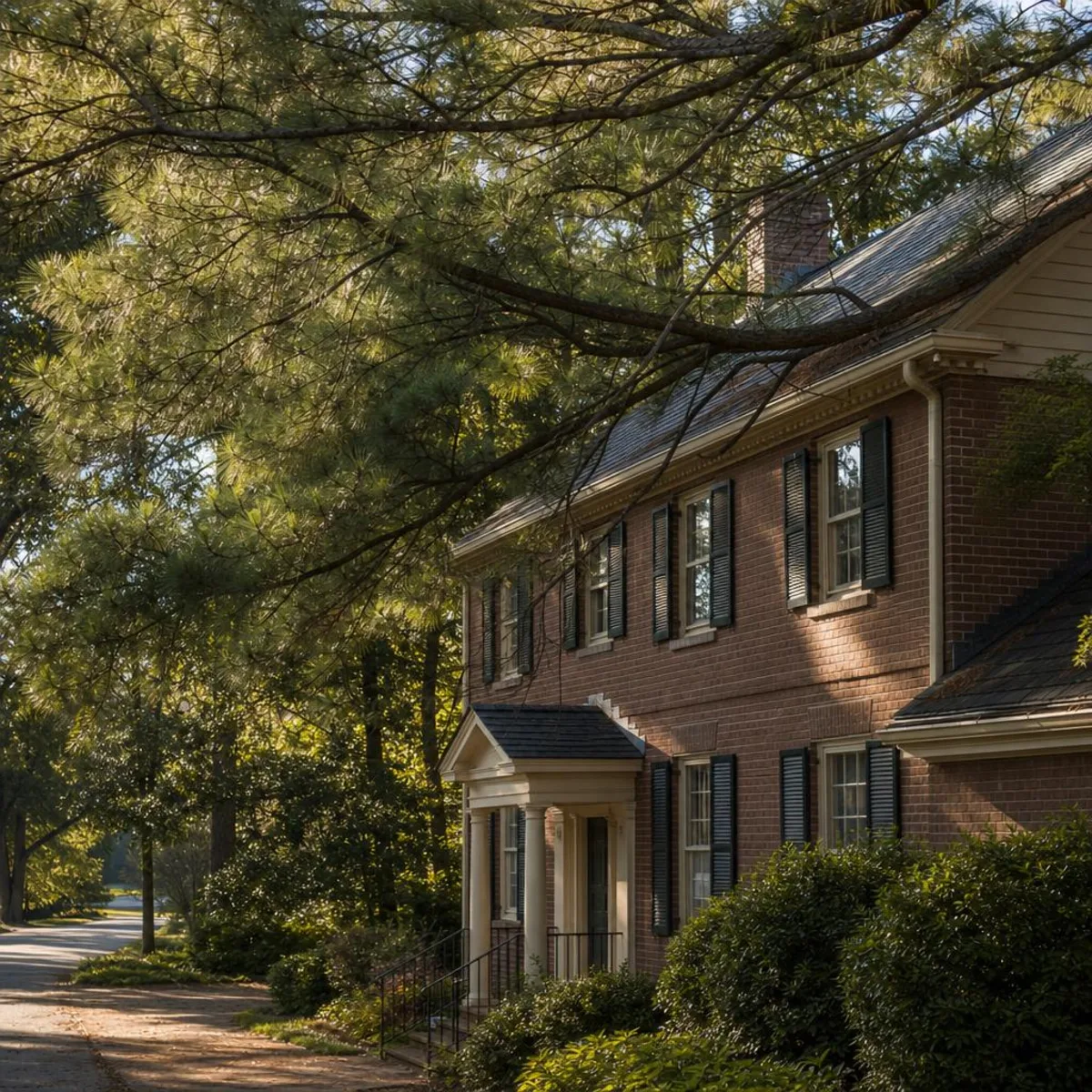
- Mature Tree Canopies: Neighborhoods with heavy pine, oak, and crepe myrtle canopies give roof rats direct, elevated bridges to rooflines without ever touching the ground.
- Coastal Climate & Warmth: Our warm summers and coastal humidity create abundant outdoor food sources. As seasonal weather changes, rats move directly into warm attic spaces that shield them from predators.
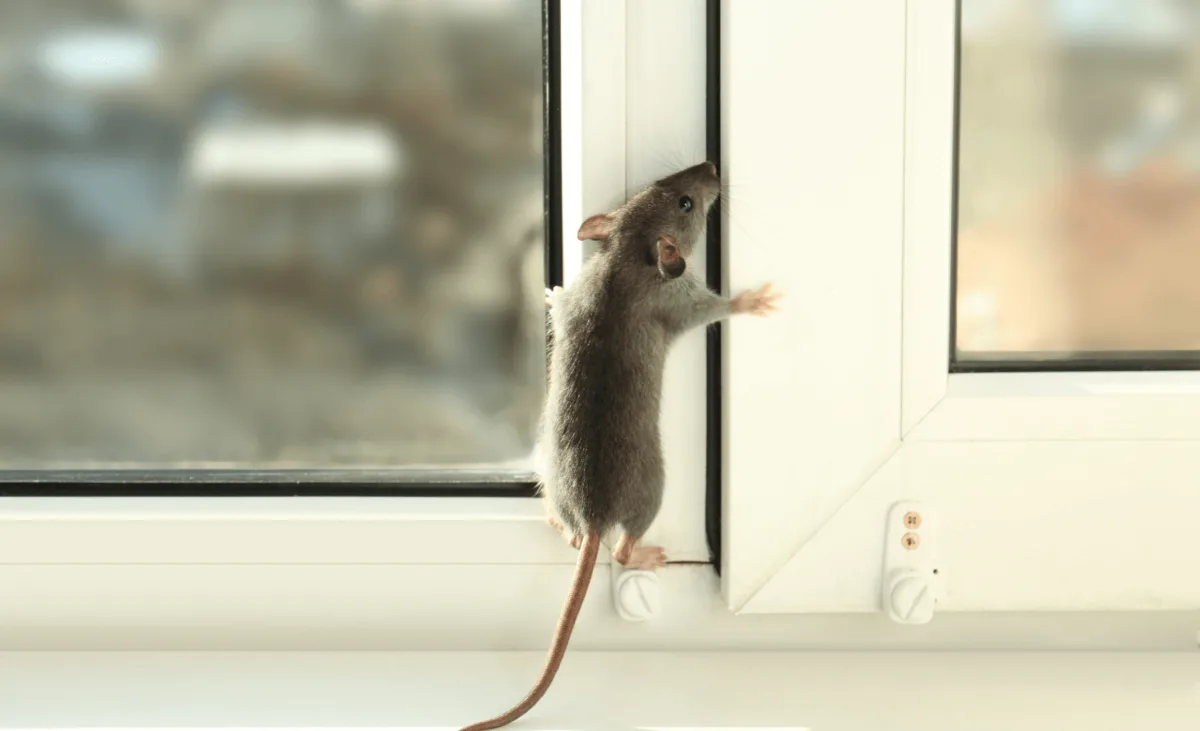
A adult roof rat’s body measures 6 to 8 inches, but its hairless, scaly tail is longer than its head and body combined—a physical feature that acts as a balancing pole as it traverses power lines, roof ridges, and gutters.
The Top 5 Attic Entry Points Roof Rats Exploit
Roof rats require an opening no larger than a nickel (about 3/4 of an inch) to squeeze their flexible bodies into your attic space. Here are the top entry points our inspectors find in local coastal homes:
                  ┌──────────────────────────────────────────────┐
                  │   ROOF RAT ELEVATED ACCESS POINTS            │
                  └──────────────────────┬───────────────────────┘
                                         │
       ┌─────────────────────────────────┼─────────────────────────────────┐
       ▼                                 ▼                                 ▼
┌──────────────┐                 ┌──────────────┐                 ┌──────────────┐
│ Ridge Vents  │                 │ Fascia &     │                 │ AC Chase    │
│ & Soffits    │                 │ Roof Intersection│              │ & Penetrations│
└──────────────┘                 └──────────────┘                 └──────────────┘
- Unscreened Ridge Vents & Soffit Gaps: Roofers often leave gaps underneath ridge caps for ventilation. Roof rats easily chew through plastic ridge mesh or bend aluminum soffits to enter roof voids.
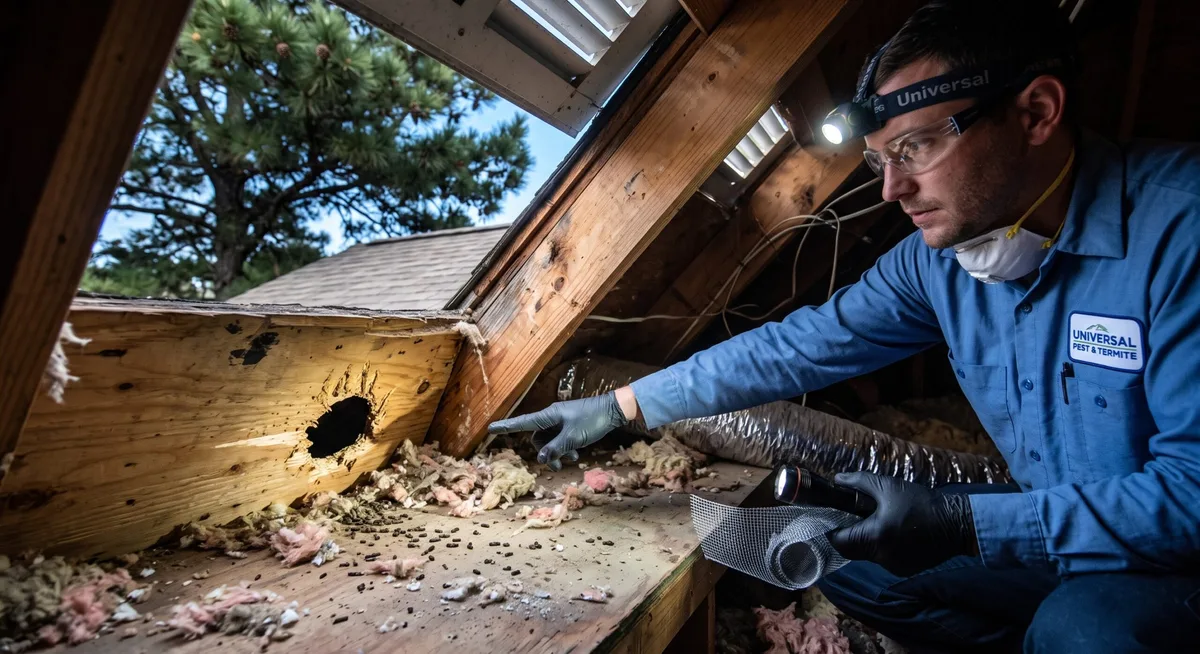
- Fascia Board & Roofline Intersections: Where rooflines meet fascia boards—especially near clogged gutters or areas softened by coastal moisture—roof rats gnaw away weathered wood to create clear tunnels.
- Overhanging Tree Branches & Utility Lines: Branches touching your roof act as a private staircase. Once on top, rats follow high utility lines straight to your roof edges.
- Gable Vents & Attic Turbines: Plastic or light wire screens over gable end vents offer little resistance. Rats quickly chew through weak screens to access attic spaces.
- A/C Refrigerant Line Chases & Plumbing Vents: Pipe penetrations leading from the outside roofline directly into the attic or HVAC closet frequently lack copper mesh seals, giving rats open access.
The Total Home Health Threat: Why Traps Alone Fail
When roof rats invade an attic, they don’t just make noise—they wreck the structural, thermal, and atmospheric envelope of your home:
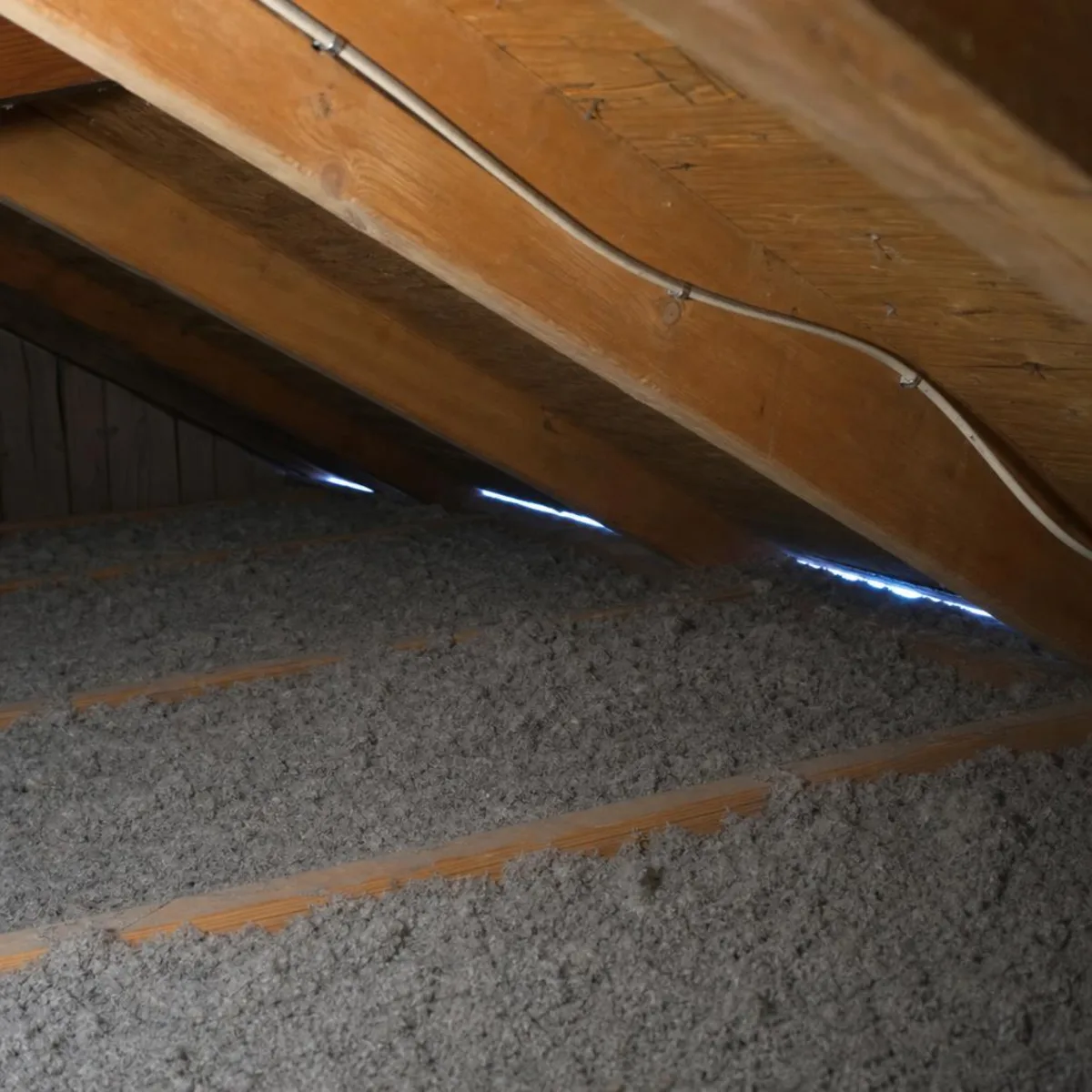
- Shredded & Contaminated Insulation: Rats pull apart fiberglass and cellulose insulation to build nests, leaving behind feces and urine saturated with bacteria.
- Chewed Electrical Wiring (Fire Risk): Rats constantly gnaw to keep their incisors worn down. Chewed high-voltage wires hidden inside attic insulation represent a leading cause of unexplained residential fires.
- Torn Ductwork & Contaminated Air: Roof rats easily chew into flexible AC duct lines running through your attic. Once inside, they nest in the ductwork, blowing allergens, dander, and foul odors directly into your bedrooms every time the air conditioner turns on.
The Unified Solution: Seal, Clean, and Protect
Eradicating a roof rat infestation requires an integrated, multi-system response that stops pests at the roofline and restores your indoor environment.
Step 1: Pest Eradication & Full Exclusion
Our extermination specialists at Universal Pest & Termite conduct complete roofline inspections. We trap the active colony and execute structural exclusion—sealing every ridge vent, gable, fascia gap, and utility entry with heavy-duty metal flashing and steel mesh that rodents cannot chew through.
- Explore local rodent control solutions for your community:
Step 2: Attic Sanitation & Thermal Restoration
Once the entry points are locked down, our sister brand Universal Insulation Doctor steps in. We safely remove rat-contaminated fiberglass, sanitize the attic floor to eliminate scent trails, and blow in fresh, high-performance insulation to restore your home’s thermal efficiency.
Step 3: Ductwork Inspection & Sealing
If rats breached your air delivery lines, Universal Duct Cleaning cleans, sanitizes, and seals your attic ductwork. We replace compromised flex lines with heavily insulated, tightly sealed duct systems to protect your indoor air quality.
Reclaim Your Attic Today
Don’t let roof rats compromise your home’s safety, air quality, or roof structure. We offer complete, multi-point picture and video home evaluations alongside flexible payment structures through SmartPay, featuring low monthly payment options and 0% APR financing plans.
Contact Universal Pest & Termite today to schedule your comprehensive roofline and attic inspection!