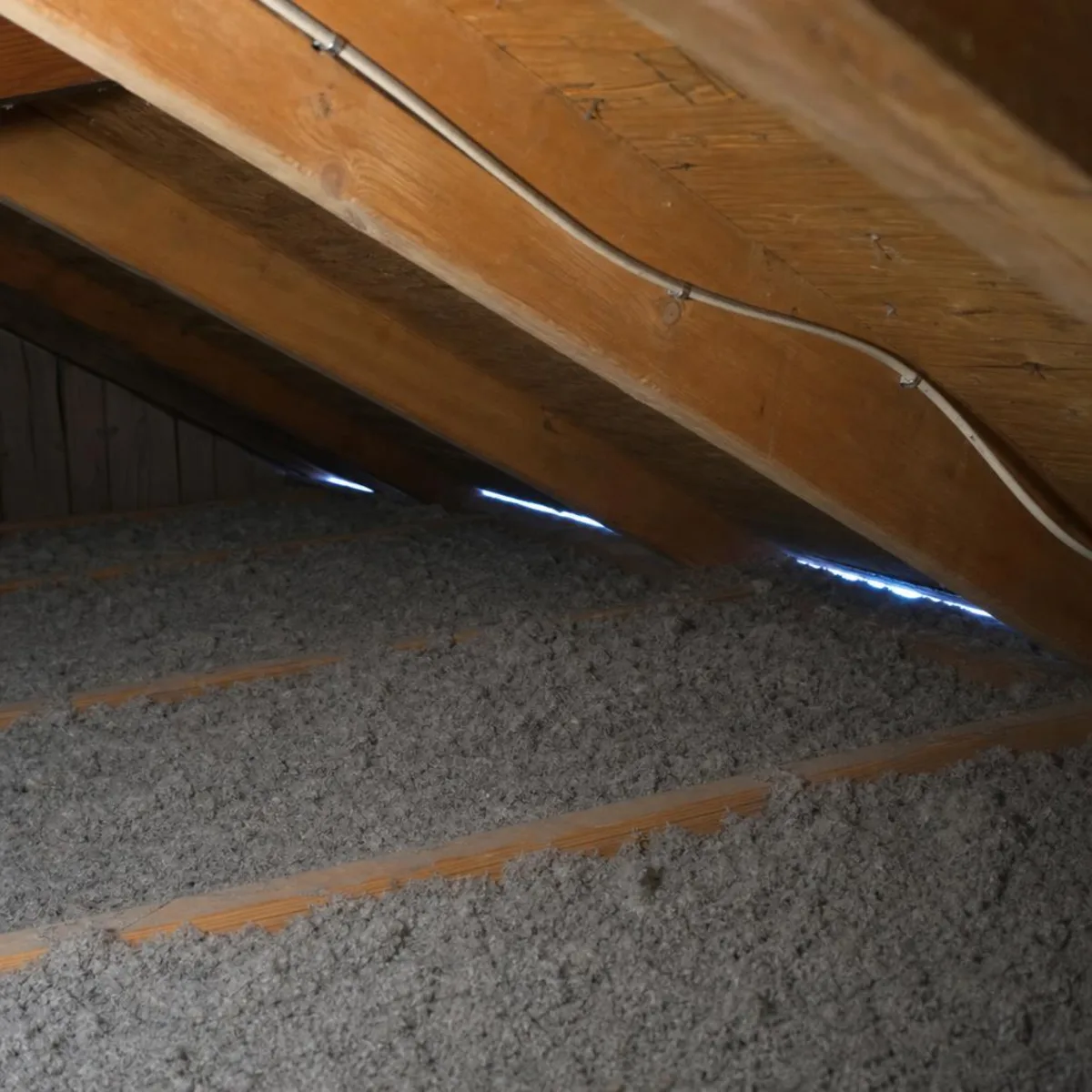
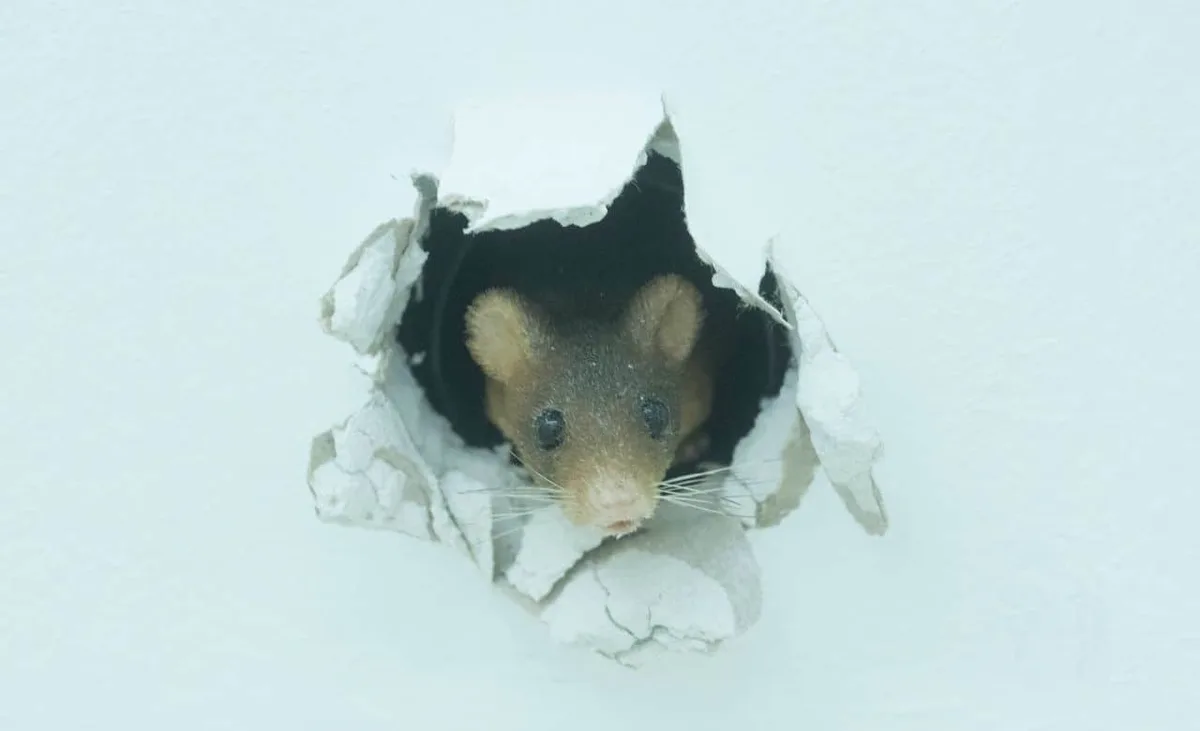
The call almost always starts the same way: scratching overhead around dusk, then a heavier thump that moves along one side of the ceiling. By the time a homeowner in Virginia Beach hears it, the animal has usually been living above the bedroom for weeks. Attic rodents are a roofline problem, not a kitchen problem, and the fix has to happen at roof height.
What does it cost to get rats out of a Virginia Beach attic?
Attic rodent work is quoted as whole-home rodent exclusion, which runs $99 to $1,495 with us. The number is set by how many openings the house has and how hard they are to reach — a single screened ridge vent sits at one end of that range, a house with open soffit returns and rotted fascia at the other. Trapping is included in the work rather than billed separately.
Explore rodent control in Virginia Beach
| What the work is | What it covers | Our price |
|---|---|---|
| Trapping and removal | Clearing the animals living in the attic now | Included in exclusion work |
| Whole-home exclusion, roofline included | Sealing vents, soffit returns, fascia gaps and utility penetrations with material rodents cannot chew | $99 – $1,495 |
| Rodent repellent barrier | Standalone perimeter service between visits | $75 |
| Ongoing protection | Quarterly service that keeps the perimeter monitored year-round | From $34/month |
| Attic insulation removal and replacement | Contaminated insulation extracted and replaced — handled with our sister company | Quoted per attic |
| Financing | SmartPay on larger exclusion and restoration projects | $0 down, 0% APR options |
If you want the pricing logic in detail — why the range is as wide as it is and what pushes a quote toward the top of it — that is laid out in our rodent exclusion cost guide. For the entry points themselves, with the five spots we check first on a coastal roofline, see how roof rats access coastal attics.
Is it a roof rat, a Norway rat, or a squirrel?
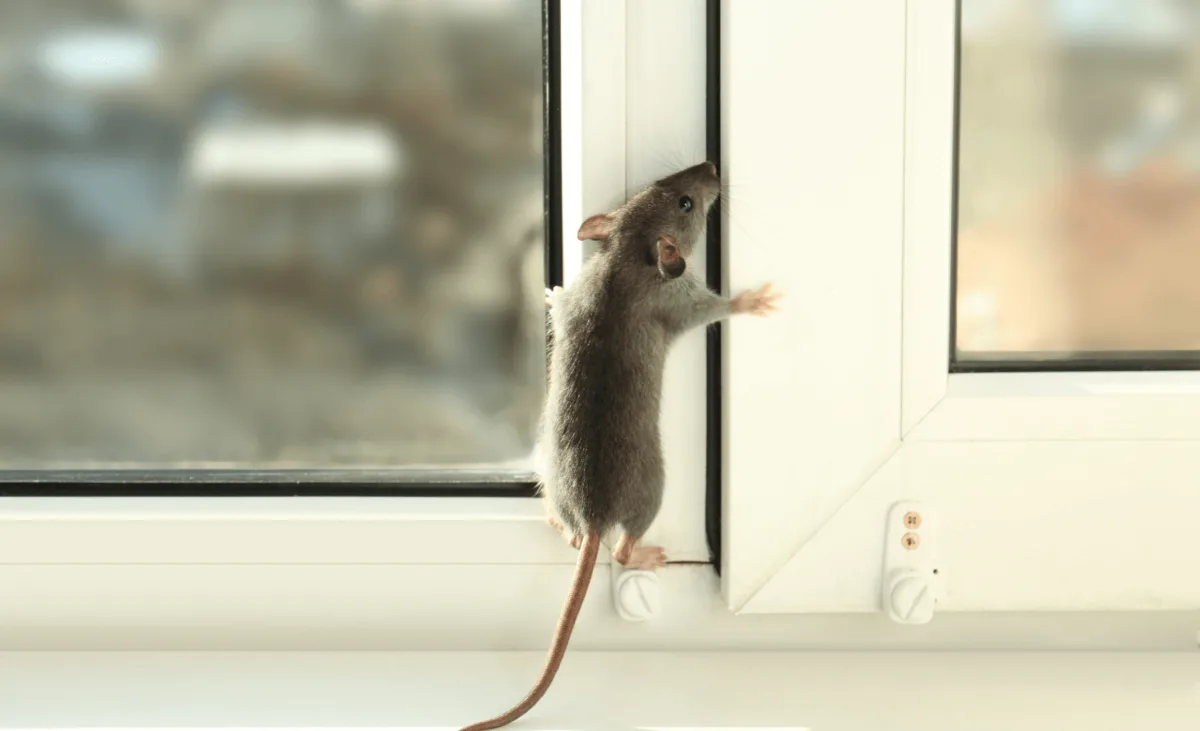
Roof rats are the classic attic climber, slender and dark with a tail longer than the body, but Norway rats climb far better than most homeowners expect and turn up in Hampton Roads attics too. Squirrels are the daytime option: heavier, faster, and active in the morning and late afternoon rather than after dark.
Get a free quote in Virginia Beach
The distinction matters less than people think, because the entry points and the repair are the same either way. What does change is timing. Rats work at night, so the noise starts after the house goes quiet. Squirrels wake with the sun. If you can tell us when you hear movement, we can usually narrow it before the inspection. Our pest library has side-by-side photos if you want to compare what you have seen.
Which Virginia Beach homes do we see this in most?
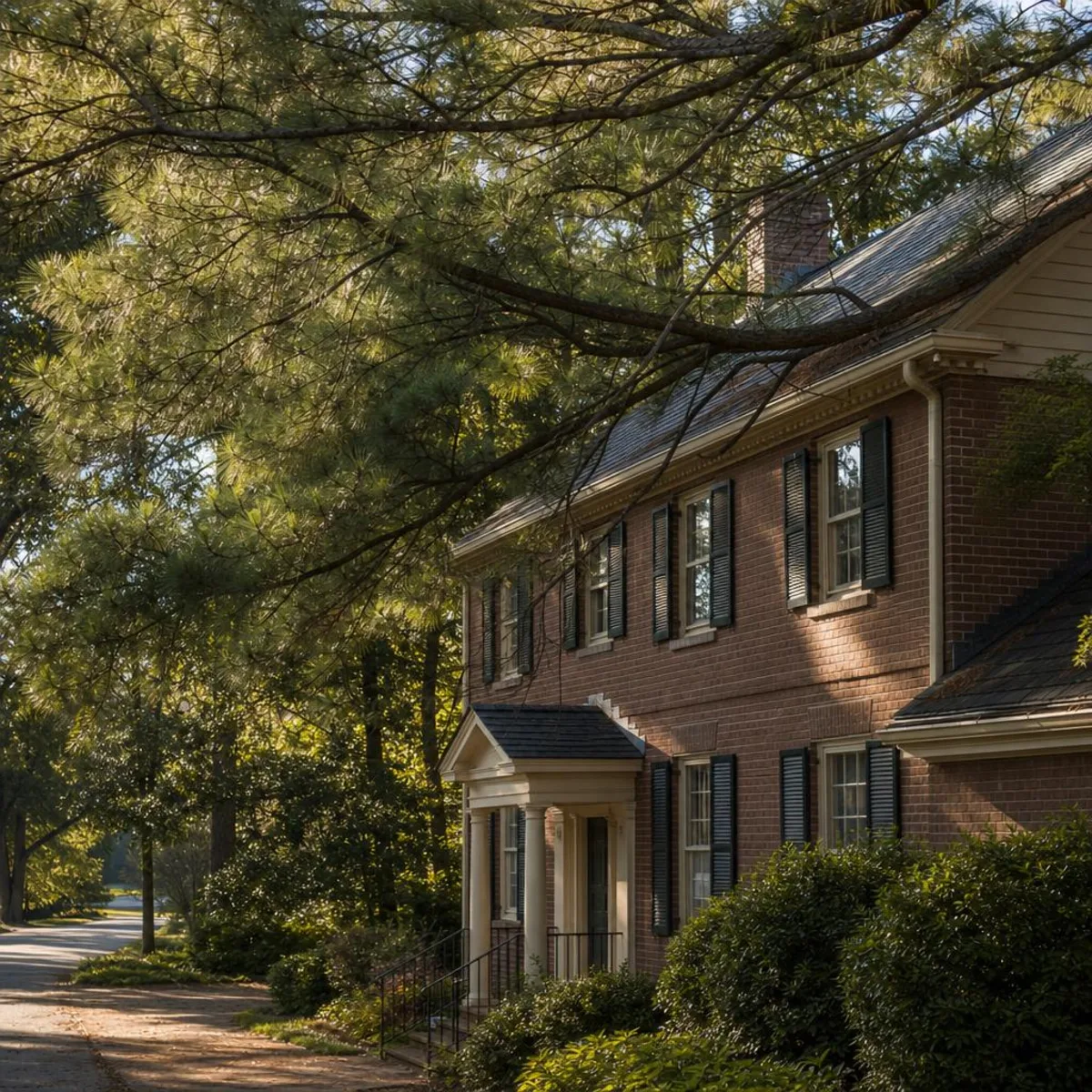
Older, heavily wooded streets, in our experience. Where mature pine, oak and crepe myrtle have grown into the roofline, a branch that touches the shingles is a bridge, and the animal never has to climb a wall at all. We see that pattern often in neighborhoods like Great Neck and Thoroughgood, where the canopy is part of what makes the streets attractive.
Get a free quote in Virginia Beach
You can see how we cover those areas on our Great Neck and Thoroughgood pages. Roof height is the practical takeaway: if you can trace a continuous path from the ground to your eave — a limb, a trellis, a downspout, a run of cable — something can follow it.
Shelter is the other half of it. An attic offers what no outdoor nest site can: protection from weather, warmth rising from the house below, and insulation that makes ideal nesting material. An animal that finds its way in has little reason to leave, which is how one becomes several over a season.
What damage do attic rats actually do?
The expensive damage is rarely the droppings. Rodents gnaw constantly to manage their incisors, and in an attic the available material is electrical wiring, flexible duct, and stored belongings — which turns a pest problem into a fire risk and an air quality problem.
Explore rodent control in Virginia Beach
Chewed wiring is the hazard that gets attention, and rightly so: exposed conductors sitting in loose insulation are a genuine ignition risk that no homeowner can see from below. The quieter problem is ductwork. Rodents tear open flex duct to nest inside the run, and once that happens the system is drawing air across nesting material and waste and distributing it through the house. If that has happened, the ducts need cleaning as part of putting the attic right — our sister company Universal Duct Cleaning handles that side.
Insulation is the third loss. Rodents flatten it into runways and contaminate it, and compressed insulation stops doing the job you paid for. Extraction and replacement is a specialty of Universal Insulation Doctor, which is why an attic restoration quote usually comes from both companies together.
How do you stop them coming back?
Three steps in order: remove the animals inside, close every opening with material they cannot chew through, then clean up and replace what was contaminated. Skipping the middle step is the usual reason an attic rodent problem returns the following autumn.
Get a free quote in Virginia Beach
Step one, trapping. Snap stations go on the active runways inside the attic — the greasy trails along the top plate and joist runs tell us exactly where they travel. This clears the current population, and it tells us whether the roofline is still open, because a sealed attic stops producing new activity.
Step two, sealing. This is the part that decides whether the problem returns. Roofline gaps get closed with custom-formed metal flashing and stainless steel mesh, not foam or caulk, because rodents chew straight through soft materials. Ridge vents get screened, soffit returns get closed off, damaged fascia is repaired before it is sealed. That is the work covered by pest exclusion, and it is why sealing usually costs less over several seasons than trapping the same house again each year.
Step three, restoration. Droppings and nesting material are vacuumed out, the space is treated, and contaminated insulation is replaced. An attic that has been cleaned and re-insulated also stops broadcasting the scent trails that draw the next animal to the same entry point.
Frequently asked questions
How do I know whether something is living in my attic right now?
Listen at night and look at the perimeter in daylight. Movement after dark that travels in a line, rather than a single settling noise, means an animal. From the ground, look for a dark rub mark at a soffit corner, a gap where the fascia meets the gutter, or a ridge vent with a lifted edge. Droppings in the garage or along a top plate confirm it.
Will trapping alone fix an attic rat problem?
It clears the animals present, but it does nothing about the openings that let them in, so the attic is available again the moment trapping stops. In our experience trap-only work tends to repeat every autumn for exactly that reason. The lasting part of the job is sealing the roofline.
Explore rodent control in Virginia Beach
Do I have to replace the attic insulation?
Not always. Light activity caught early may only need the contaminated sections removed. Where rodents have been nesting for a season or more, the insulation is usually flattened along the runways and soiled, and replacing it restores both the thermal performance and the air quality. We inspect before recommending it rather than quoting removal by default.
How long does roofline exclusion take?
Most homes are sealed in a day. Complex rooflines, steep pitches, or damaged fascia that needs repair before sealing can push the work into a second visit. Trapping runs alongside it over the following week or two until activity stops.
See how pest exclusion works in Virginia Beach
Can I seal the roofline myself?
The parts you can reach from a ladder, sometimes. The problem is that the openings that matter are usually the ones you cannot see from the ground — soffit returns, the gap behind a gutter, the point where two roof planes meet. Foam and caulk also fail here, because rodents chew through both. If you do the work yourself, use metal.
Get a free quote in Virginia Beach
Does quarterly pest service cover rodents in the attic?
Our quarterly plans keep the perimeter monitored and include a rodent repellent barrier, which is what keeps a cleared house clear. An active attic population and an open roofline are separate work — exclusion first, then the plan holds the line. You can compare what each tier includes on our home health plans page.
Explore rodent control in Virginia Beach
Hearing something move above the ceiling at night?
We will inspect the roofline, find the entry points, and show you photographs of what is open before you commit to anything.
Get a free quote in Virginia Beach
Schedule a free attic and roofline inspection
Or call (757) 502-0200. Serving Virginia Beach, Chesapeake, Norfolk and the rest of Hampton Roads.