Termite quotes for two houses on the same street can differ substantially, and homeowners understandably assume someone is padding the number. Usually they are not — the two houses simply present different amounts of work. Here is what actually moves the figure.
What determines the cost of termite treatment in Virginia Beach?
Termite treatment is priced primarily on the linear footage of foundation to be treated, the construction type of the home, and how much concrete has to be drilled to reach the soil beneath it. Treatment method, access, and existing damage adjust the figure from there.
See our termite protection in Virginia Beach
A liquid termite barrier in this region commonly falls between $800 and $2,800. That range is wide because the work behind it varies enormously from house to house, so the useful thing is not the number itself but the variables an estimator is measuring to arrive at it. Understand those and you can read any quote — ours or a competitor's.
| Service | Typical Hampton Roads range | Universal Pest & Termite |
|---|---|---|
| Liquid termite barrier | $800 – $2,800 | Upfront or annual bond options |
| Homeowner termite inspection | — | Free |
| WDIR termite letter for a closing | — | $75 – $125 |
Market ranges reflect what we typically see other Hampton Roads companies charge, based on quotes homeowners bring us. They are our own observations, not a published survey. The figure for your house comes from an inspection of that house.
Which factors have the biggest effect on the price?
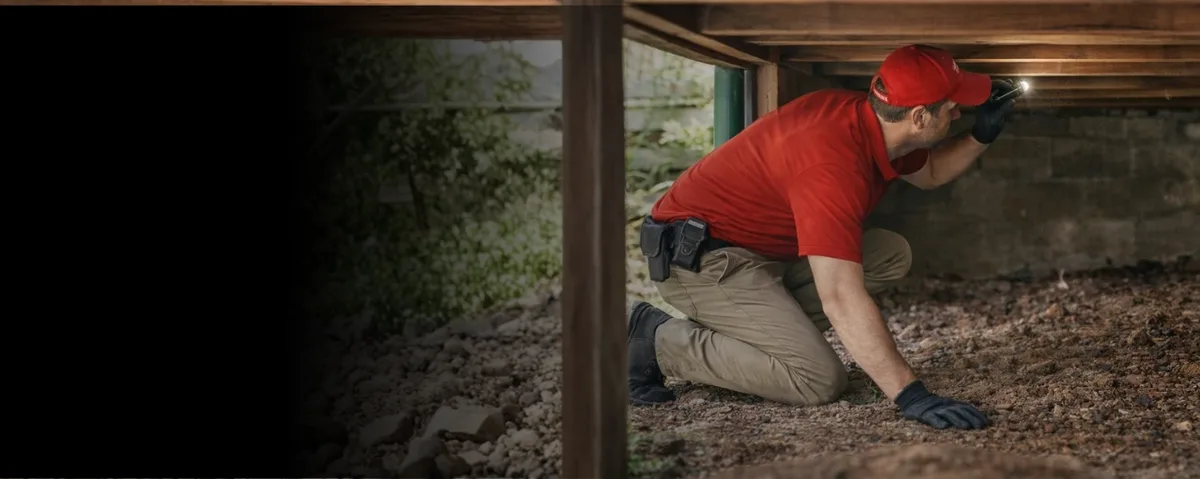
Foundation perimeter and construction type together account for most of the variation between quotes. A conventional liquid treatment is applied to the soil around and beneath the structure, so the more perimeter and the more concrete in the way, the more labor and material the job takes.
| Factor | Why it changes the price |
|---|---|
| Linear feet of foundation | The core unit of measure. Termiticide is applied along the full perimeter, so a rambling one-story costs more to treat than a compact two-story of the same square footage. |
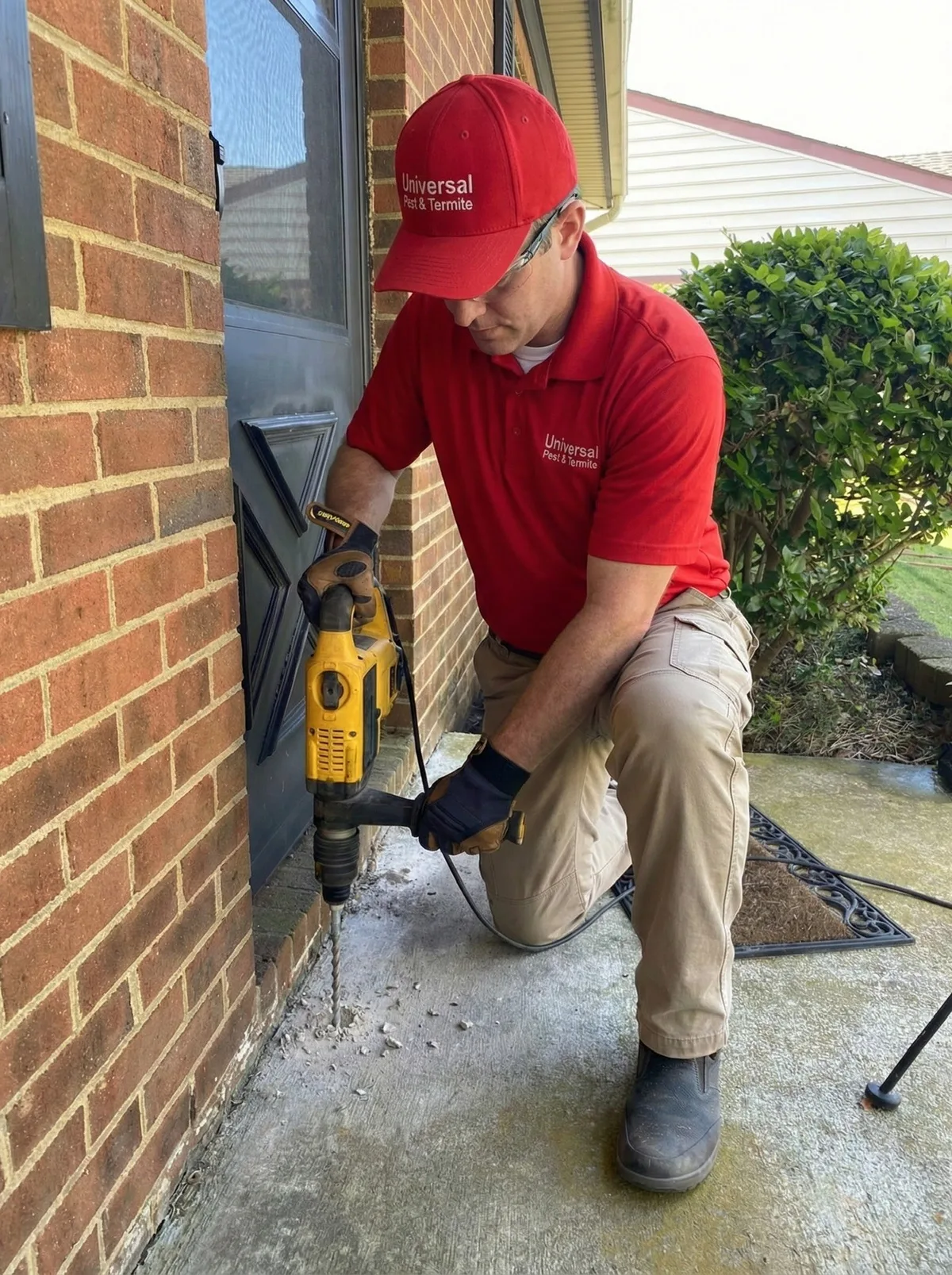
| Crawl space vs. slab | Slab homes require drilling through concrete at intervals and injecting beneath it, then patching — materially more labor than treating accessible soil in a crawl. |
| Attached concrete | Garages, patios, porches, stoops, and driveways poured against the foundation each need drilling and injection to close off a hidden entry route. |
| Treatment method | A liquid soil termiticide and a bait station system carry different material costs and very different service schedules. Neither is universally cheaper over time. |
| Crawl space access | Low clearance, standing water, dense ductwork, or stored belongings slow the crew down and occasionally require a second visit. |
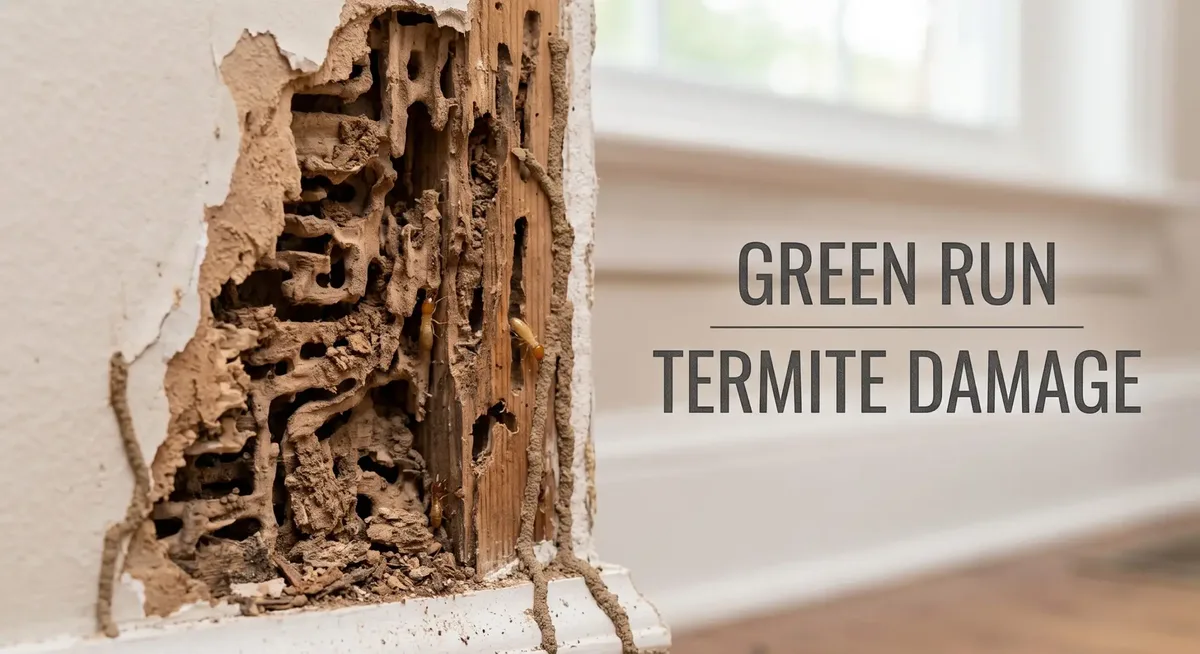
| Extent of activity | A localized area of activity is a different job from established colonies with damage across multiple structural members. |
| Structural damage | Damaged joists, sills, or girders are a separate scope from the treatment itself — see termite damage repair. |
| Wells, cisterns, and water features | Application near a potable water source is restricted by label law and requires an adjusted approach. |
| Warranty terms | A retreatment-only warranty and a repair bond that covers new damage are not the same product, and the price difference reflects real risk. |
| Real estate deadline | Work tied to a closing may involve a WDIR inspection and scheduling constraints. |
Liquid termiticide or bait stations — which costs less?
Liquid treatment typically carries a higher one-time cost and a lower annual renewal. Bait systems usually start lower but require ongoing monitoring service to keep working, so the lifetime comparison depends on how long you stay in the home.
Get a free quote in Virginia Beach
| Liquid soil termiticide | Bait station system | |
|---|---|---|
| How it works | Creates a treated soil zone around the structure that foraging termites pass through | In-ground stations intercept foragers, who carry an active ingredient back to the colony |
| Cost shape | Higher up front, lower renewal | Lower up front, ongoing monitoring cost |
| Disruption | Trenching, and drilling where slabs abut | Minimal — stations installed in soil around the perimeter |
| Best suited to | Active infestations needing an immediate barrier | Sites where drilling is impractical, or long-term colony management |
| Requires | Access to soil along the foundation | Consistent monitoring visits to stay effective |
Why are termite costs different in coastal Virginia?
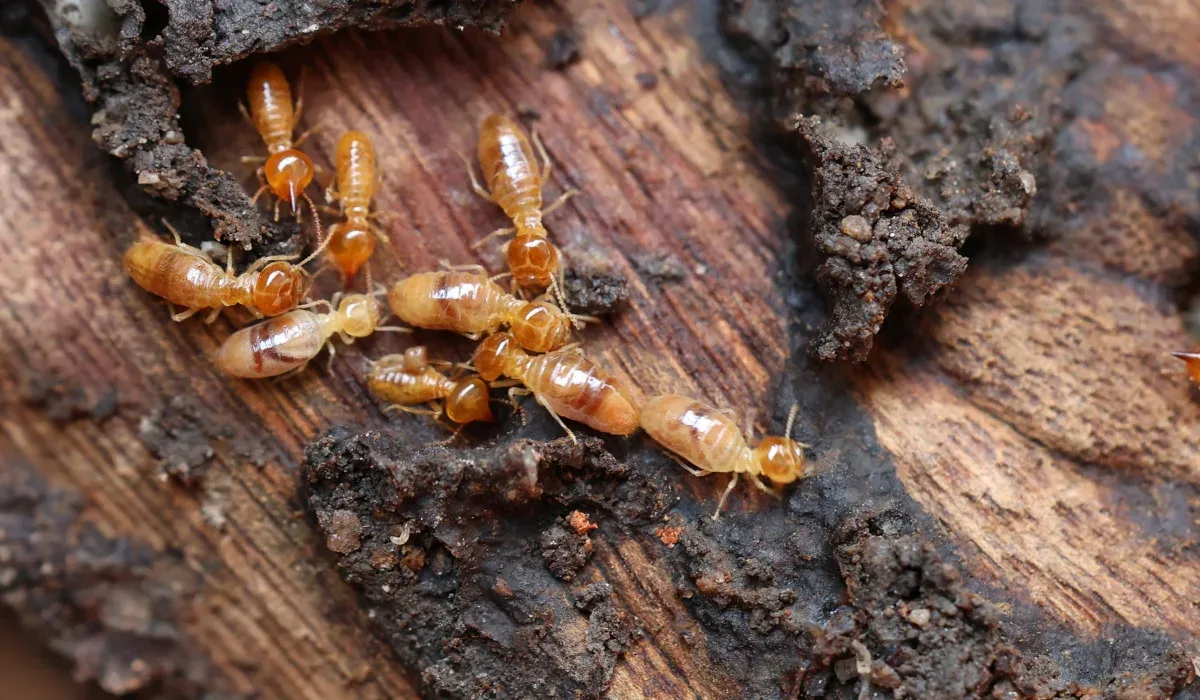
Hampton Roads sits in a high-pressure zone for the Eastern subterranean termite, and local soil and moisture conditions raise both the likelihood of activity and the work required to treat it.
See our termite protection in Virginia Beach
- Sustained termite pressure. The Eastern subterranean termite is active throughout coastal Virginia, and mild winters here do not interrupt colony activity the way they do further north.
- A shallow water table. Low-lying neighborhoods hold soil moisture that supports colony foraging, and saturated soil affects how a treatment is applied.
- Housing stock. Crawl space and pier-and-beam construction is common in older Virginia Beach, Norfolk, and Portsmouth neighborhoods, which means more accessible wood close to grade than in slab-dominant regions.
- Moisture and termites travel together. Homes with crawl space moisture problems frequently need both termite work and moisture correction — see wood fungus treatment and crawl space encapsulation — and it is worth understanding which quote covers which.
What should a termite quote include?
A quote you can actually compare states the treatment method, the linear footage, what is being drilled, the active ingredient, and the exact warranty terms including what renewal costs and what it covers.
Get a free quote in Virginia Beach
- A written inspection finding. What was found, where, and the evidence — not just a conclusion.
- Method and product. The named active ingredient and how it will be applied.
- Measured scope. Linear footage, drilling locations, number of stations.
- Warranty terms in writing. Retreatment only, or damage repair included? What is the annual renewal, and what voids it?
- Conducive conditions noted separately. Moisture, wood-to-soil contact, and debris should be listed as findings, with any correction priced as its own line rather than bundled invisibly.
Frequently asked questions
Why is the price range so wide?
Because the range spans genuinely different jobs. The low end is a compact crawl space home with an accessible perimeter and no attached concrete. The high end is a rambling slab home where patios, a garage, and a driveway all have to be drilled and injected. An inspection takes under an hour and resolves the range into a fixed figure, at no cost.
Is the termite inspection free?
Our standard termite and crawl space inspection for a homeowner is free. A WDIR report prepared for a real estate closing is a separate, documented service costing $75 to $125, because it is a signed report prepared to a regulated format for a transaction — see real estate termite inspection.
See our termite protection in Virginia Beach
Does homeowners insurance pay for termite damage?
Almost never. Insurers treat termite damage as a preventable maintenance issue rather than a sudden loss, which is what makes a transferable warranty worth reading closely.
See termite damage repair in Virginia Beach
Is it cheaper to treat before I see damage?
Yes, and the gap is usually large. Treatment addresses the colony; damage repair means replacing structural lumber, which is a construction job. Annual inspections exist to keep you in the first category.
Get a free quote in Virginia Beach
Do you treat Formosan termites?
The Eastern subterranean termite is the species we encounter in Hampton Roads homes. If an inspection ever identified something else, the treatment plan and its cost would be built around that finding specifically.
Get a free quote in Virginia Beach
How do I get an actual number for my house?
Book a free inspection. Universal Pest & Termite has served Hampton Roads since 2000, covering Virginia Beach, Chesapeake, Norfolk, Suffolk, Portsmouth, Hampton, Newport News, Williamsburg, Poquoson, and York County. Call (757) 502-0200.